

The STAI team focuses on advancing deep learning and statistical approaches for solving inverse problems in signal and image processing, with an emphasis on extracting relevant information from sensor measurements. Particular attention is given to the development of new theoretical tools, such as estimation error bounds, to quantify the theoretical accuracy of the assumed model. Furthermore, current research focuses on integrating geometric considerations into the analysis of machine learning algorithms. These applications mainly extend to GNSS navigation, filiar diagnosis and digital communications.
4 Research areas
-
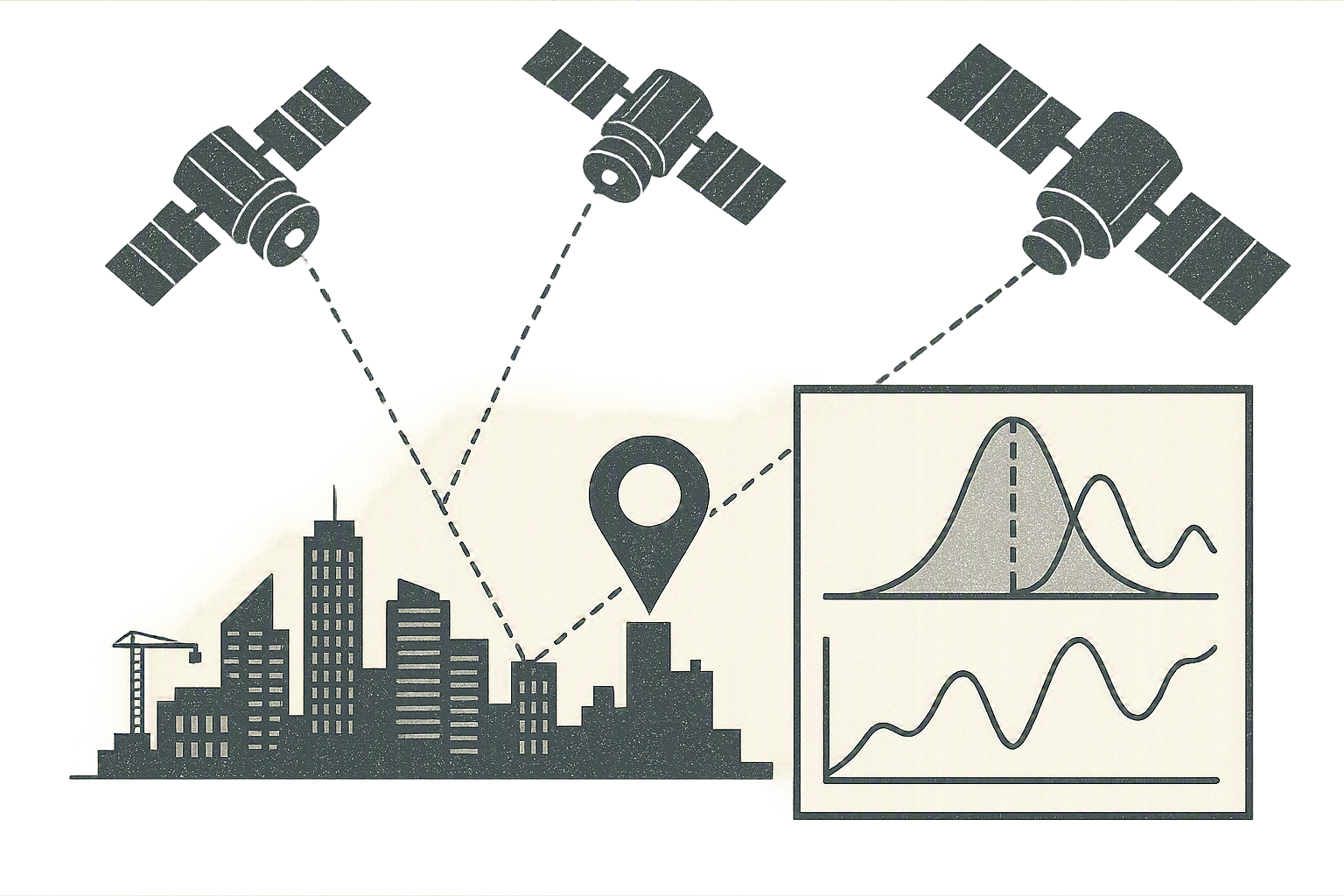
Statistical Signal Processing for GNSS
Statistical approaches and Cramér-Rao bound (CRB) to model GNSS signal parameters.
Establishment of new algorithms to detect and mitigate GNSS interferences
Robust approaches for clock synchronization
-
Signal Processing for EMC Modeling and Wireless Power Transfer
Wireless Power Transfer Applied to Drones.
Study and Modeling of the EMC Performance of Cables
-
Advanced Methods in Statistics and Machine Learning
Anomaly detection algorithms
Statistical model and CRB for non-Euclidean space (Lie group).
Machine and deep learning algorithms based on the geometry of the data.
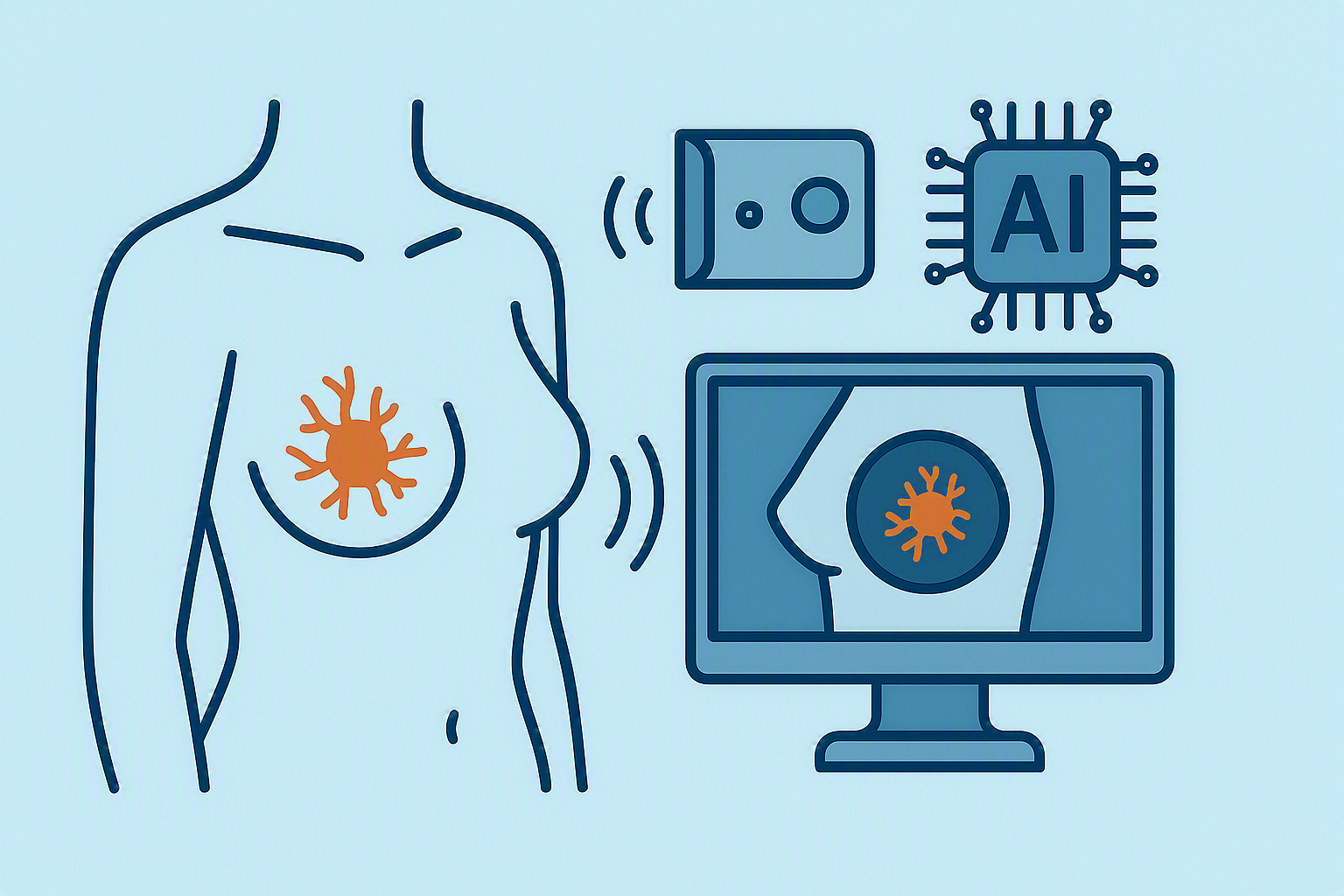
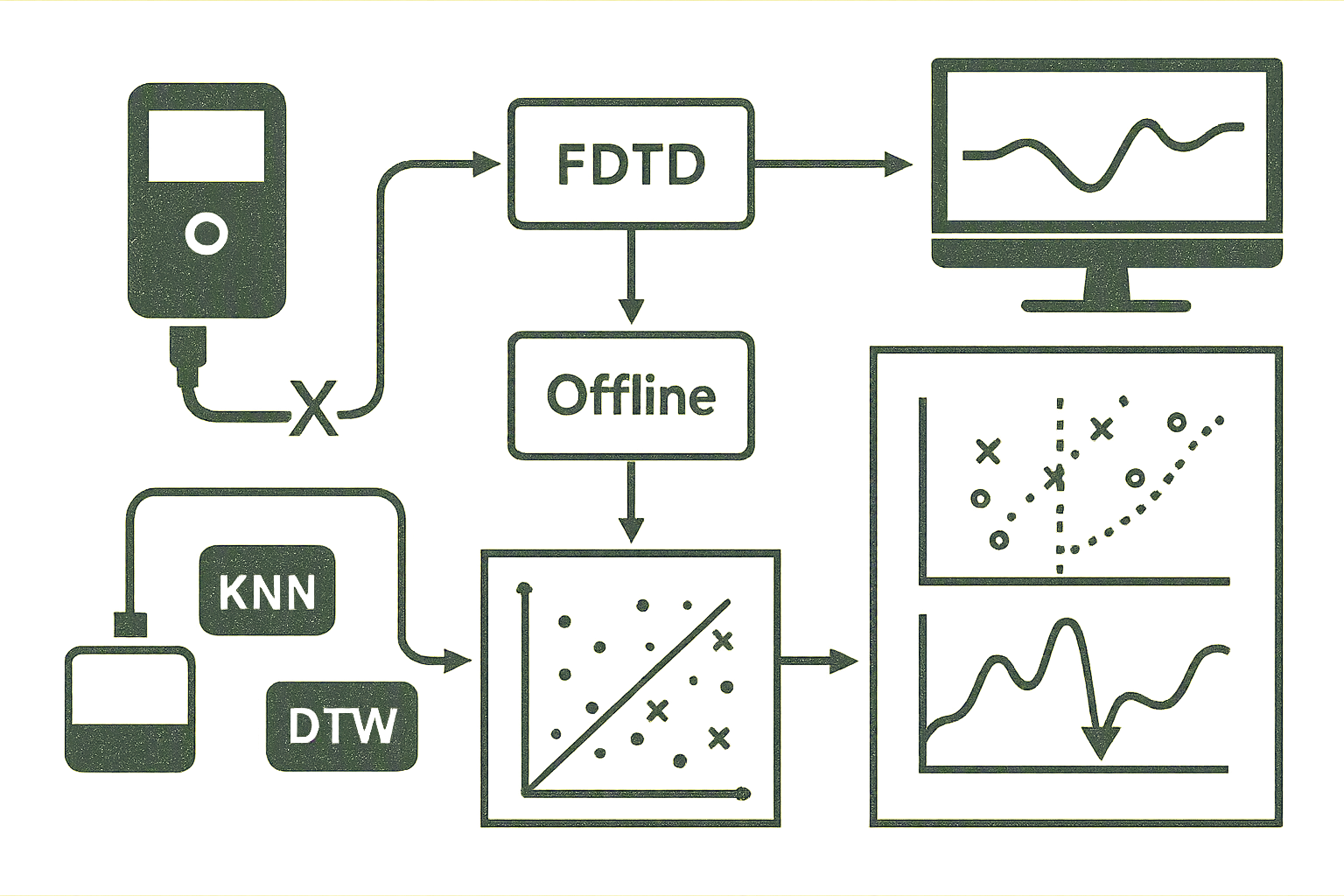
Applications: computer vision, SAR & biomedical imaging, GNSS navigation, cable diagnosis.
-
Modeling of Digital Communication Systems
Research on distributed algorithms and satellite communication reliability with minimal latency.
Developement of optimization algorithms for ressource allocation and next-generation wireless networks.
Design of new waveforms for NAV-COM systems.
Research Projects

Research members