CellTechs is a Partnered team between SupBiotech and CEA (SEPIA). Induced pluripotent stem cells (iPSCs) provide a renewable, genetically stable source for generating organoids, modeling diseases, and developing innovative therapeutic and biotechnological applications.
CellTechs Projects

CellTechs Laboratory – Research Axes
A joint SupBiotech–CEA research team dedicated to advanced cellular modeling of neurodegenerative diseases and stem cell engineering.
The CellTechs Laboratory brings together researchers from SupBiotech and the CEA to develop advanced human cellular models for biomedical and industrial applications. Our work centers on the use of induced pluripotent stem cells (iPSCs), which offer a genetically stable and renewable source for generating a wide variety of specialized cells and complex three-dimensional structures such as organoids. By combining expertise in neurobiology, stem cell engineering, and cellular imaging, we aim to model neurodegenerative diseases more accurately, support therapeutic development, and contribute to the emergence of next-generation biotechnologies.
Research Focus Areas
Neurodegenerative Diseases
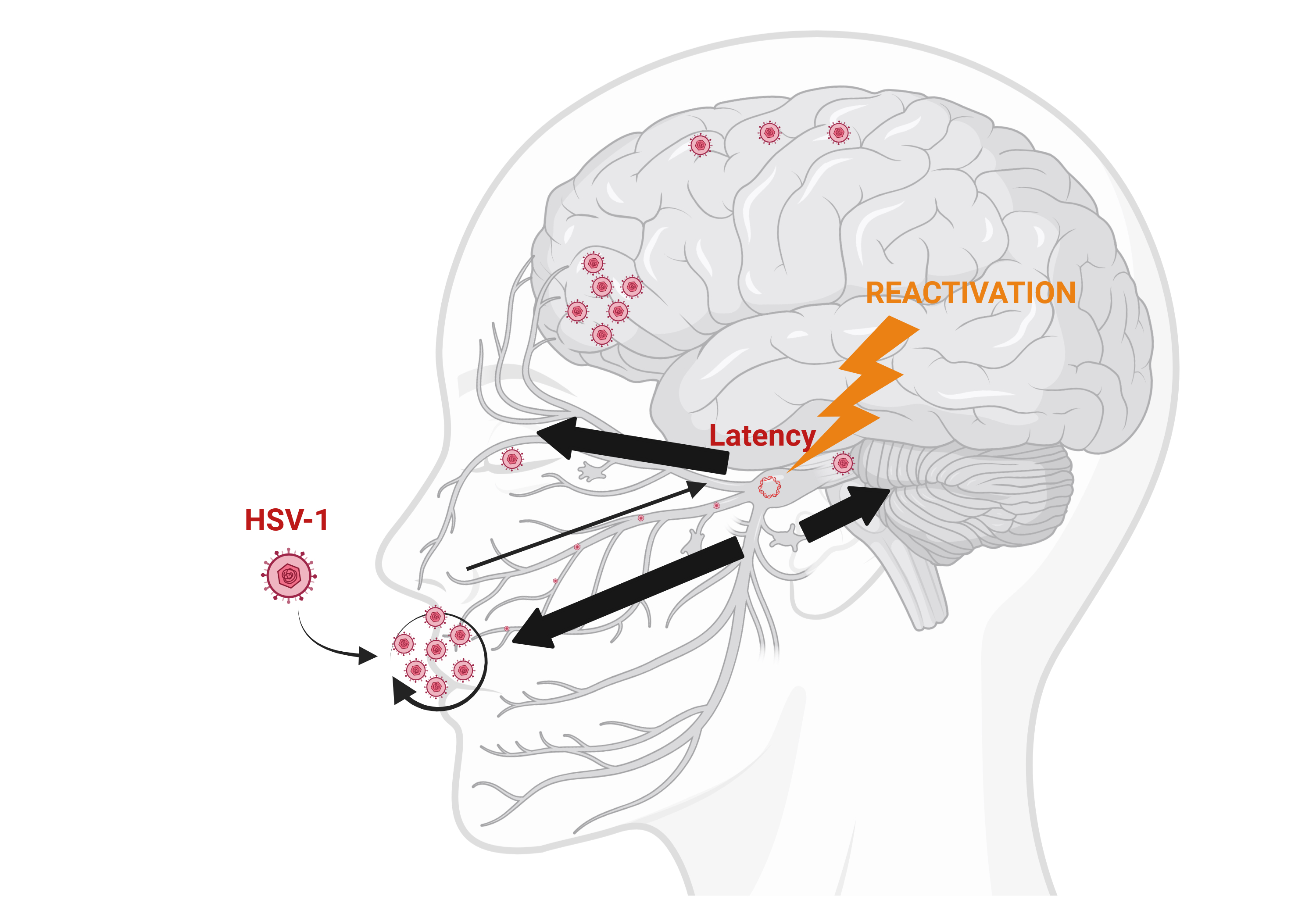
The CellTechs team builds on the in vivo expertise of the CEA-SEPIA group to develop new in vitro models of neurodegenerative diseases such as Alzheimer's and prion diseases, using human induced pluripotent stem cells (iPSCs).
Engineering of Pluripotency
The team uses reprogramming and differentiation techniques in order to answer scientifically and medically relevant questions. These technologies enable the generation of both human and animal cellular models with strong translational potential for research and therapeutic applications.
Cellular Tool Bank
The SupBiotech–CEA team aims to:
- Develop, validate, and transfer relevant cellular models for neurodegenerative disease research
- Maintain a well-characterized Master Cell Bank of IPS cells to support internal and external collaborations
- Implement standardization and quality control to meet industrial transfer requirements
- Integrate advanced technologies, including high-resolution imaging and automation, into stem cell workflows
Cerebral Organoids
By using the intrinsic self-organizing properties of pluripotent stem cells, the lab generates three-dimensional cerebral organoids that mimic aspects of early human brain development. These models:
- Are evaluated for their ability to recapitulate disease phenotypes
- Serve as potential platforms for pharmacological screening
- Help overcome limitations of traditional models in neuroscience and drug discovery
3D Imaging Platform
Located at the CEA, the 3D Imaging Platform provides advanced microscopy resources to CellTechs researchers, students, and collaborators. Equipment includes:
- An ultramicroscope light sheet system for deep tissue imaging in 3D
- A Thunder Leica microscope offering fast, high-resolution imaging of complex cell and organoid structures
These tools are essential for visualizing and analyzing cellular and organoid models with precision.
Collaborations and Applications
The laboratory combines fundamental and applied research with relevance in:
- Neurodegeneration and neuroscience
- Drug discovery and toxicology
- Stem cell biology and regenerative medicine
- Industrial applications
CellTechs maintains collaborations with academic and industry partners to accelerate the development of innovative, clinically relevant in vitro models.
Contact and Affiliation
CellTechs Laboratory
Joint research unit: SupBiotech – CEA
Fontenay-aux-Roses
For inquiries about collaboration or access to tools and models, please contact the laboratory lead or SupBiotech’s research department.
Research Axes at the CellTechs Laboratory
-
Neurodegenerative Diseases (Alzheimer’s; Prion Diseases, etc.) The CEA-SEPIA laboratory’s expertise in in vivo modeling of these pathologies is leveraged to derive new in vitro models based on the use of iPSC pluripotent stem cells.
-
Engineering of Pluripotency New reprogramming and differentiation techniques are being developed using unique tools from the laboratory. These techniques will allow for the creation of animal and human cellular models with high potential for application.
Cellular Tool Bank
The Sup’Biotech/CEA team also aims to develop, transfer, and validate more relevant cellular models for the study of Alzheimer’s disease and prion diseases, or to provide these tools to researchers and industries. The cellular tools generated and validated in the laboratory will be preserved in a well-characterized Master Cell Bank. Industrial technology transfer requires particular standardization and quality control at all stages of cell culture. The adaptation of new techniques (imaging, automation, etc.) to the culture of pluripotent stem cells is a particularly important challenge for the industrial sector. Cerebral Organoids
Due to the intrinsic self-organizing properties of pluripotent cells, it is possible to create "organoids"—three-dimensional structures that resemble certain characteristics of human organs—from these cells. One of the challenges for the CellTechs team is to study whether neuroectodermal organoids (mini-brains) could represent a model for certain neurodegenerative diseases. These technologies may establish a reliable pharmacological screening tool, potentially overcoming the limitations inherent to current modeling tools used in the pharmaceutical industry.
CellTechs Team members