




Context
Since 1950, a massive and steadily growing use of plastic has led us to one of the greatest challenge our society has to face this century. In 2013, an open source project called Precious Plastic was launched by the dutch designer Dave Hakkens. Since then, a worlwide community of people has worked to share knowledge on a dedicated website and create an alternative global plastic recycling ecosystem. Anyone can join the project as a member, collection point, community point, machine shop or workspace. Within our campus at Lyon Vaise, is gathered all the necessary equipment for Ionis Education Group to get involved in this meaningful movement. With only one referenced actor in the city, our community of students, researchers, makers has a major role to play locally for our planet, through becoming a Precious Plastic workspace / machine shop.
Let's dive into the Low-Tech and open-source world !
General Overview
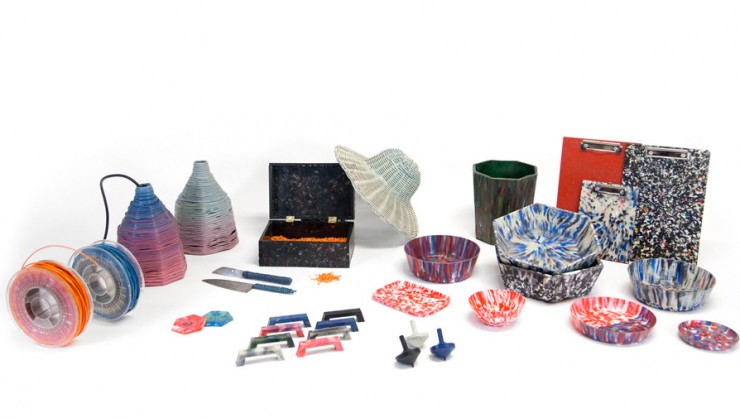
The first phase of the project consists in fabricating a SHREDDER and an INJECTION MACHINE to make small objects from locally generated 3D printing wastes and other plastic trash, using commercially bought moulds. Please find below a short video presenting the basic principles of these 2 machines.
Once equipped with those machines, we'll be in measure to look ahead for the following opportunities :
- Designing and fabricating moulds internally
- Fabricating recycled plastic sheets using our heat press machine, and making objects thanks to the laser cutter and/or the CNC machine available in our facilities.
- Fabricating a sheet press machine (to be able to create larger objects such as pieces of furniture, from recycled plastic
- Fabricating an extrusion machine
- Fabricating machines for other members of the community
- Creating a local collection point for certain types of plastic
- Conducting research on various topics related to plastic recycling
- And a lot more ...
PROJECTS DESCRIPTION
Two separate teams of students will work for building the shredder and the plastic injection machine.
1 - Shredder machine
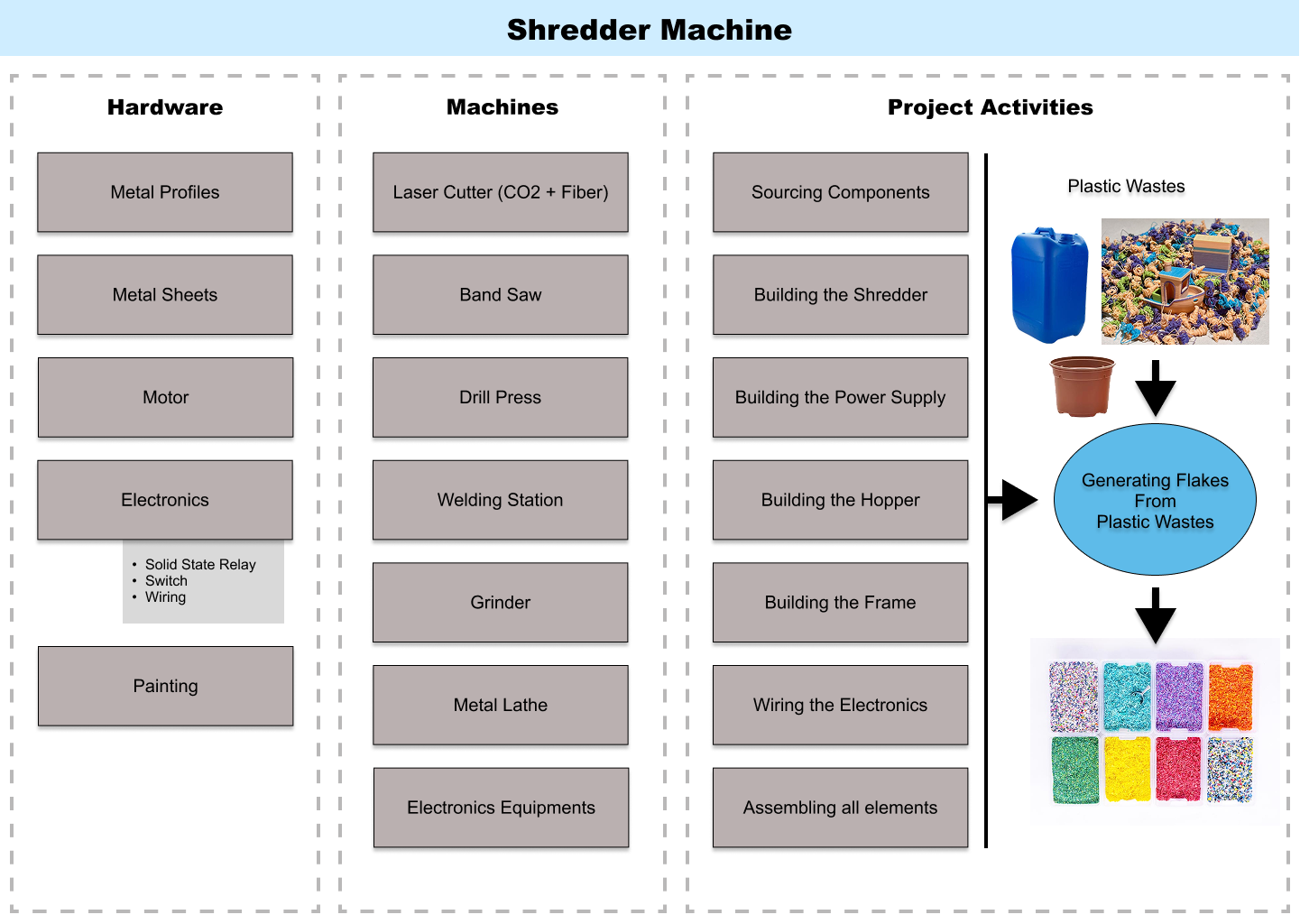
By turning plastic objects (such as 3D printed filament wastes, plastic containers, bottle caps, etc) into small plastic flakes, this shredder machine is definitely the first brick that we must have in order to get involved in the plastic recycling activity.
Here is the basic principle of the machine (as shown in the video above) :
- Introduce plastic waste into the hooper
- The motor makes the shredder shaft rotate where the sharp blades shred the plastic wastes into small flakes (size depends on the mesh used). Note : The motor must operate in both directions because sometimes it is necessary to reverse rotation direction as plastic objects may get stuck into the shredder.
- Flakes can now be used in other machines for producing all sorts of objects.
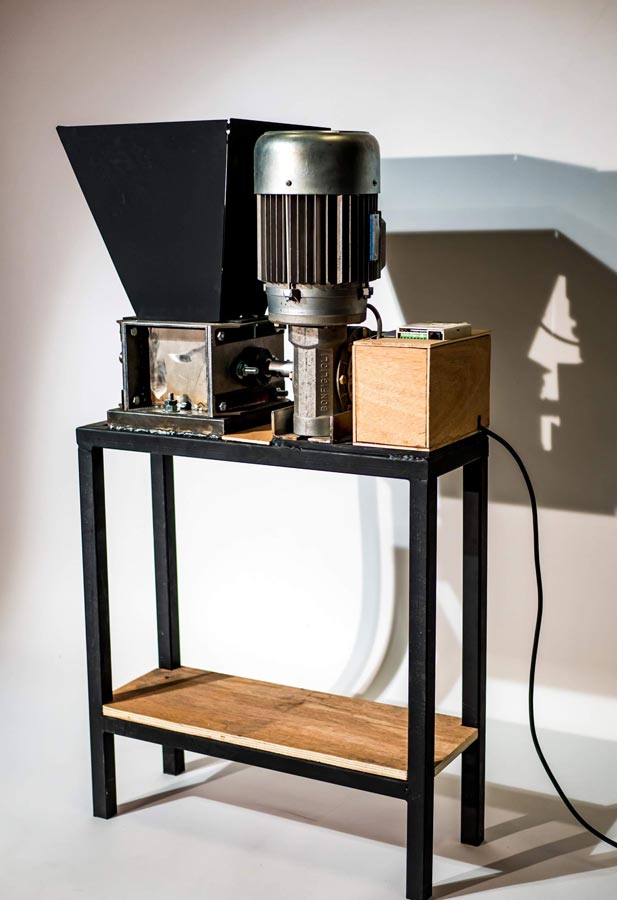
Provided materials :
- A motor
- Metal profiles
- Metal sheets
- Plywood panels
- Electronics (solid state relay, wiring, switch, etc)
- Painting
- Fabrication tutorial
Developed Skills :
- Welding (intermediate)
- Machining (intermediate)
- Assembling (intermediate)
- Electronics (intermediate)
Pedagogical Goals :
- Project Management
- Metal and wood working
- Appeal for Low-Tech
Technical Specification Schematics
2 - Plastic Injection machine
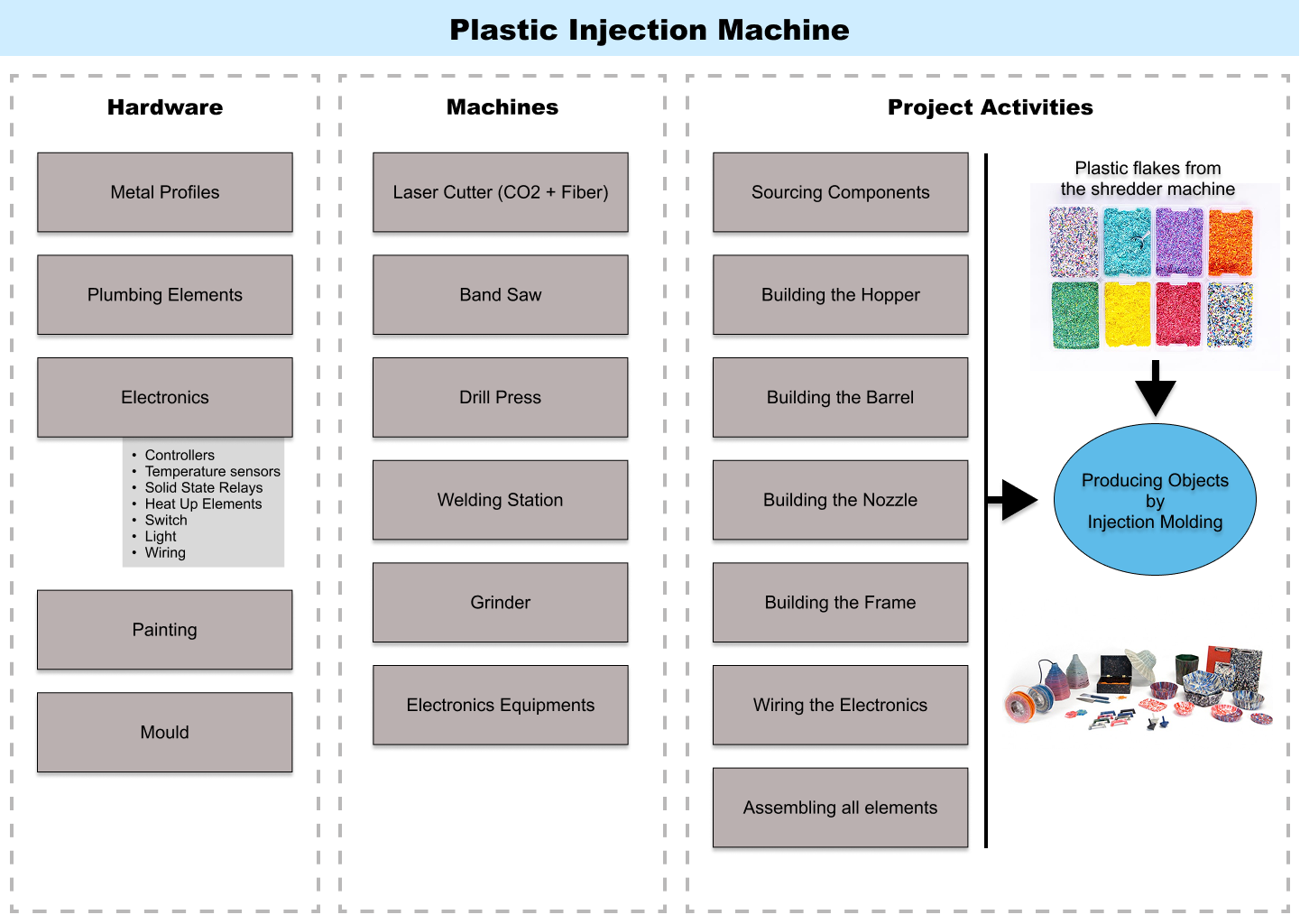
Now that we are in measure to generate flakes from plastic wastes with the shredder machine, it is time to make something useful out of it ! The plastic injection machine is a great application for producing small plastic objects.
Here is the basic principle of the machine (as shown in the video above) :
- Install a mould at the end of the machine nozzle (at this step block the nozzle exit)
- Select the plastic flakes you want to use (color, size, plastic type) and weigh it precisely to have the correct quantity for the mould you are using
- Introduce plastic flakes into the hooper
- Set the desired temperature according to the plastic type you are recycling
- Wait +/- 10 minutes for the machine to heat up and melt the plastic flakes into the barrel
- Open the nozzle and press on the machine lever to make the plastic flow inside the mold
- Wait a few minutes to let the plastic cool down
- Open the mold and enjoy your beautiful and colorful piece of art !
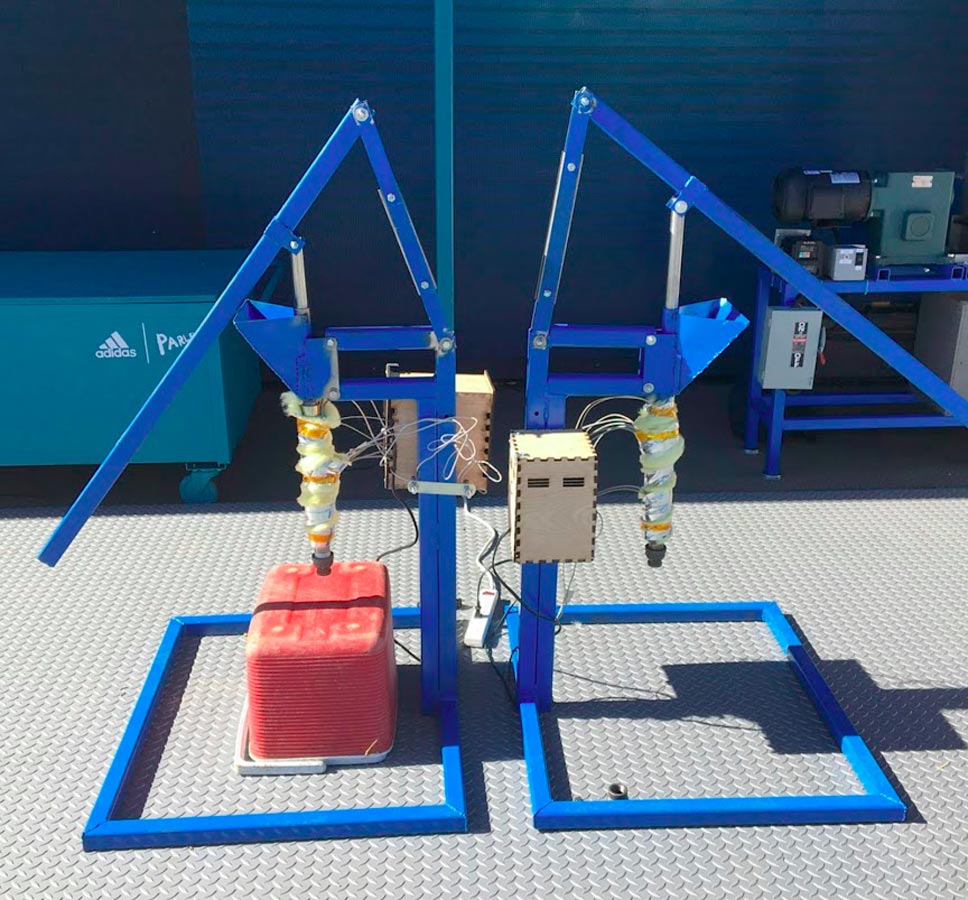
Provided materials :
- Metal profiles
- Plumbing elements
- Plywood panels
- Injection mould
- Electronics devices (PID controller, Solid State Relay, Thermocouples, heat-up elements, switch, wiring, etc).
- Fabrication tutorial
Developed skills :
- Welding (intermediate)
- Assembling (intermediate)
- Electronics (intermediate)
Pedagogical Goals :
- Project Management
- Metal and wood working
- Appeal for Low-Tech
Technical Specification Schematics