




Innovation Thematics 2026
At the beginning of the new year, our schools wish to launch the conduct of inter-school student projects. On January 29, 2026, we will organize a competition for innovative pitch projects to select winners who will benefit from an exceptional framework to lead both the realization of prototypes that will demonstrate the excellence of our schools. For this first edition, two axes of innovation are proposed around Cyber, Défense & Security of the Territory, and on agriculture and Low Tech.
Students are free to select any project from the proposed list or to design their own, as long as it fits within the themes and technological objectives of the program. These projects are intended to evolve over time, with each cohort building on the work of previous teams to gradually refine, expand, and mature the concepts and prototypes. This long‑term continuity aims to create a sustainable ecosystem of innovation where ideas grow across academic years and disciplines. A first embryonic prototype is expected by the end of the 2026 academic year, serving as the foundation for future iterations and improvements.
Students selected for this program will benefit from dedicated support enabling them to fully develop their innovation projects. They will receive a tailored adjustment to their academic schedule, a specific budget to cover equipment and prototyping needs, and access to advanced technical guidance and training provided by experts across the platform. Their work will also be academically valued through a dedicated elective teaching unit (UE libre), which will replace one course in their existing curriculum. This framework ensures that students can commit seriously to their project while gaining both practical experience and formal academic recognition.
Project Ideas






Cyber, Defense and Territory Security
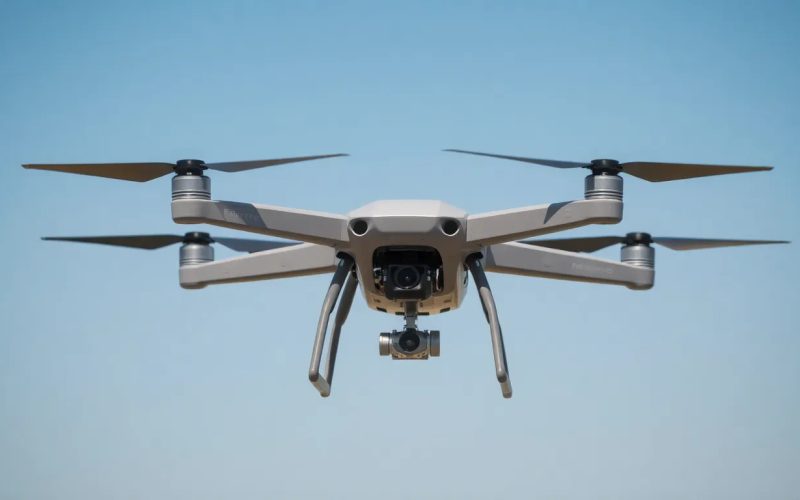
In today’s rapidly evolving geopolitical landscape, national defense and territorial security face unprecedented challenges driven by digital threats, autonomous systems, and increasingly complex operational environments. Modern cyber‑defense must contend with sophisticated attacks targeting critical infrastructure, decision‑making platforms, and battlefield communications. At the same time, the integration of drone systems—ranging from reconnaissance swarms to autonomous logistics vehicles—reshapes how forces operate, gather intelligence, and maintain tactical superiority. Ensuring reliable support for troops, including energy supply and smart resupply capabilities, has become essential to sustaining operations in contested or remote areas. Together, these dimensions highlight the need for resilient, data‑driven, and interoperable defense technologies capable of supporting decision‑makers and soldiers across highly complex theatres of operation.
Agriculture and Low-Tech
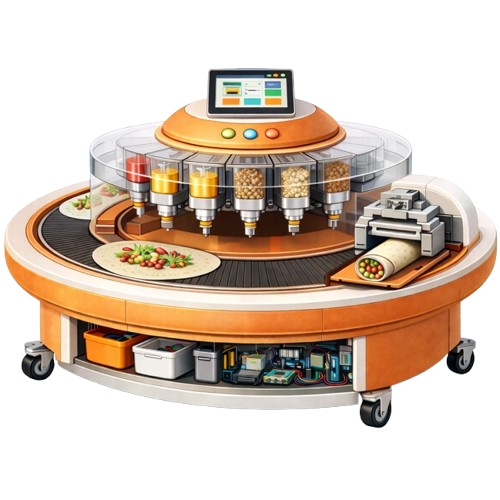
As global sustainability challenges intensify, agriculture is undergoing a profound transformation driven by the need to reconcile productivity, environmental responsibility, and social equity. Low‑tech solutions—ranging from frugal irrigation systems to resilient, repairable tools and decentralized energy sources—are emerging as powerful levers to reduce environmental impact while strengthening farmers’ autonomy. In a responsible innovation and CSR framework, these approaches support more circular production models, promote local resource efficiency, and reduce reliance on complex, high‑carbon infrastructures. Combined with transparent supply chains and community‑driven practices, low‑tech agriculture reinforces food security, mitigates climate risks, and fosters inclusive development models that prioritize human needs and long‑term ecosystem resilience.